%20web-1.png?width=260&height=68&name=N2G_LogoFile_Oct24%20(1)%20web-1.png)

Welcome To
Driving in Namibia
Useful tips for safe driving on Namibia's diverse roads from gravel highways to desert tracks.
120km/h Tar
80km/h Gravel
360Sunny Days
Driving in Namibia
Essential Driving Tips
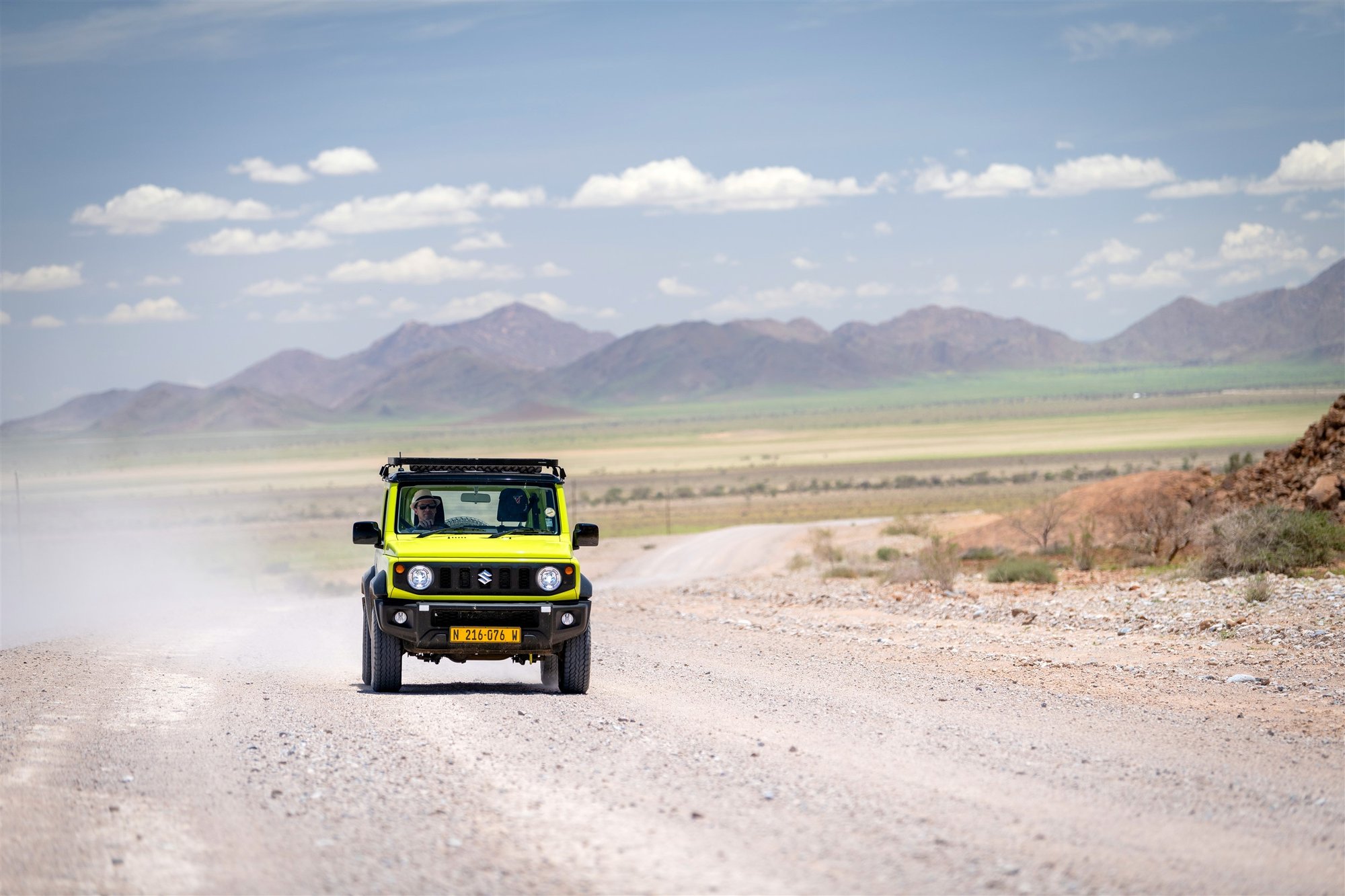
While the majority of Namibia's roads are gravel, they are kept in good condition and will take you to areas of breathtaking beauty. However, they can be dangerous if you're unfamiliar with this type of driving.
At Namibia2Go we strive to offer you a seamless experience here are the key points to be aware of.
Always Keep Left
Namibia drives on the left side. On quiet gravel roads, drive more toward the centre except around corners, blind rises, or oncoming traffic.
Avoid Excessive Speed
Gravel and speed are the main causes of tourist accidents. Maintain safe speeds 120 km/h on tar, 80 km/h on gravel. Adjust lower if conditions deteriorate.
Reduced Traction
Gravel offers less grip. Reduce speed significantly, increase braking distances, and drive on existing tracks for better surface grip.
Keep Following Distance
Stay well behind other vehicles to avoid dust and flying rocks. Use your lights in dusty conditions for better visibility.
Avoid Driving at Night
Animals often wander across roads at night. In winter, the sun sets by 18:15 and it's dark within 20 minutes. Plan routes carefully.
Stay Aware
Watch for animals and unexpected hazards. Changes in road colour may indicate surface condition changes. Stay alert at all times.
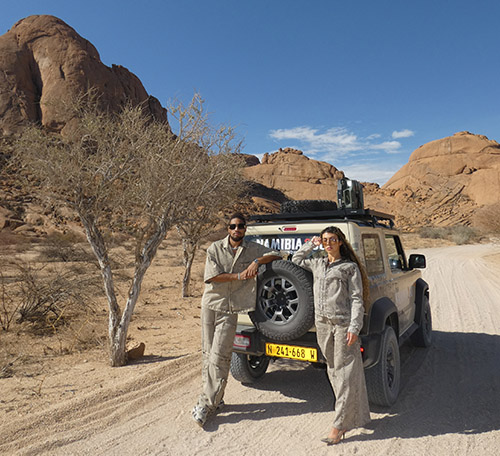
Advanced Tips
Be Prepared for
Every Situation
Namibia's diverse terrain requires special attention in certain conditions. Here are additional tips for specific scenarios.
- Salt Roads: Safe when dry, but extremely slippery with moisture in the air.
- Storing Valuables: Keep luggage in the boot. Lock valuables in the glove compartment when parked.
- Rainy Season: Roads deteriorate quickly. First rains make tar slippery keep your distance.
- Crossing Rivers: Avoid running rivers. Never drive into water deeper than 50cm in a 4x4.
- Engaging 4x4: Know how to use it. Disengage on tar roads. Carry 2 spare tyres, water, and a shovel.
Helpful Tips
Video Guides
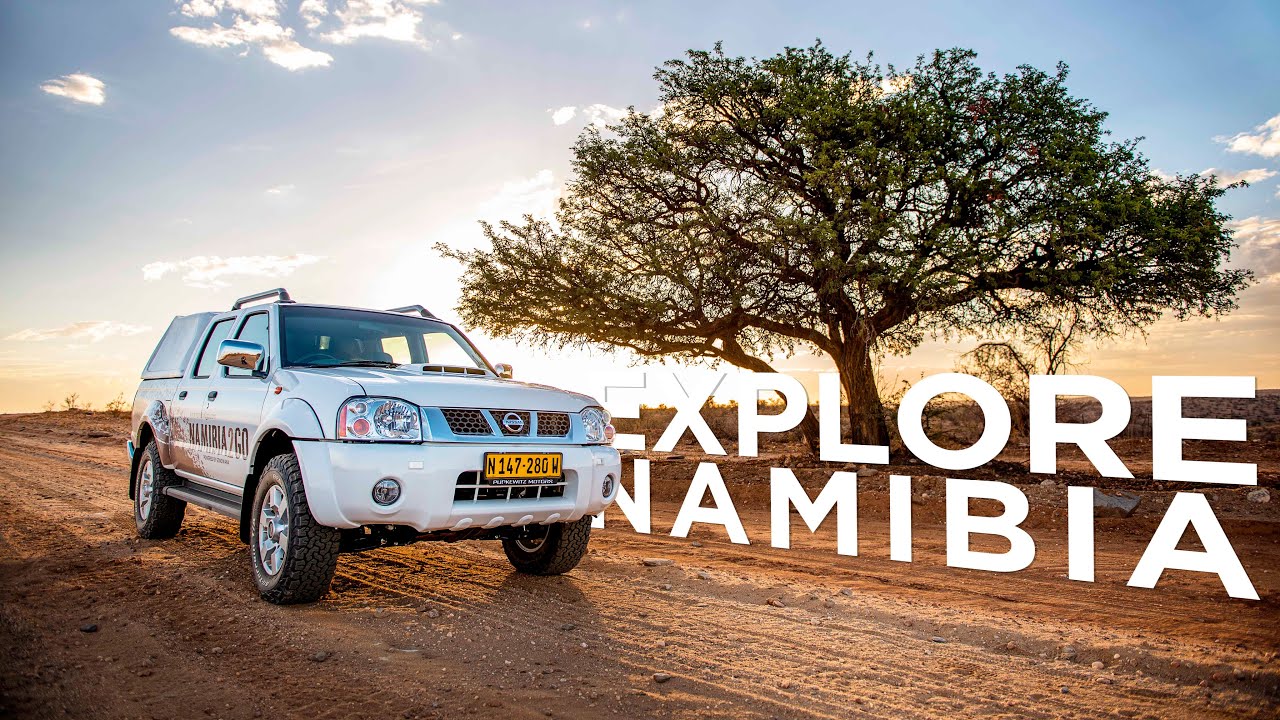
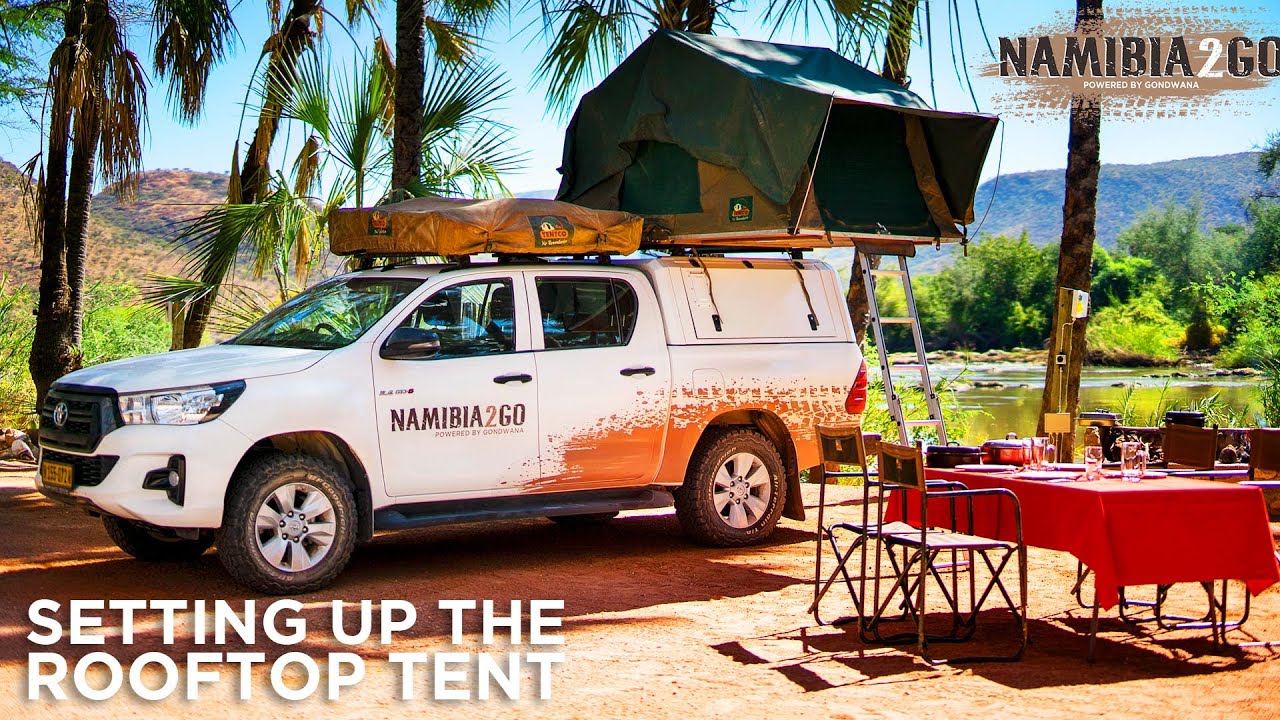
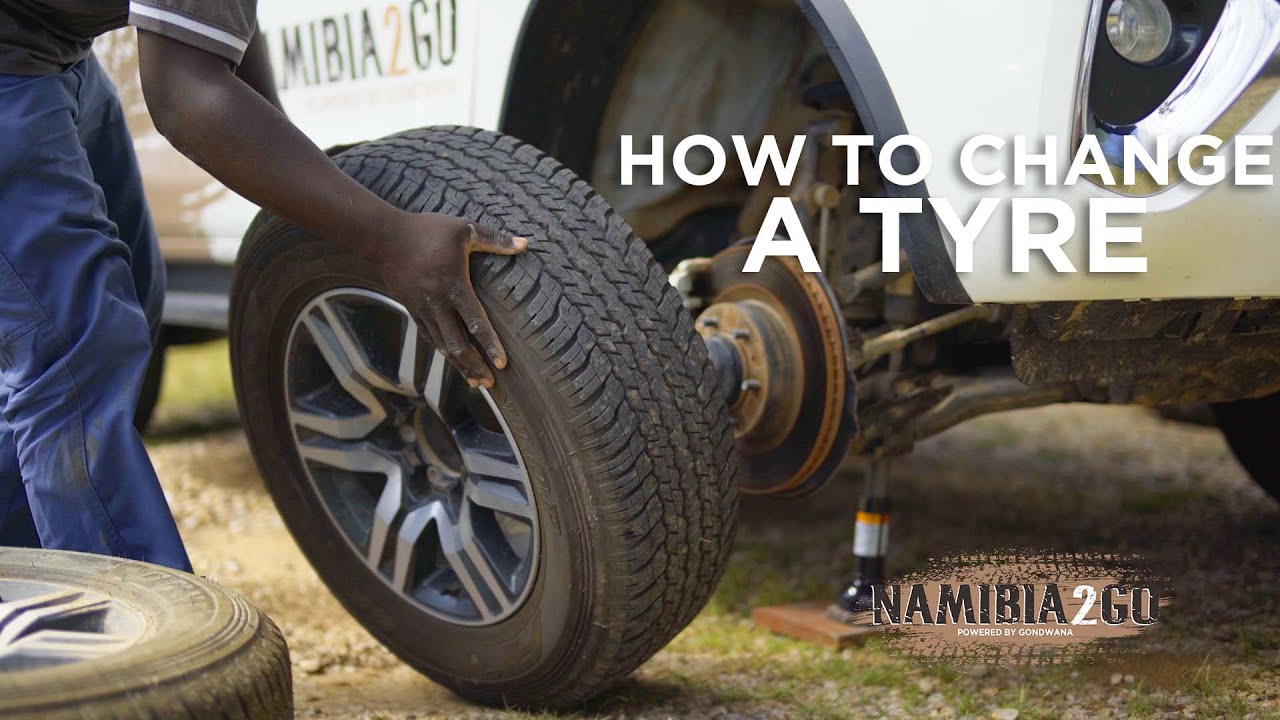
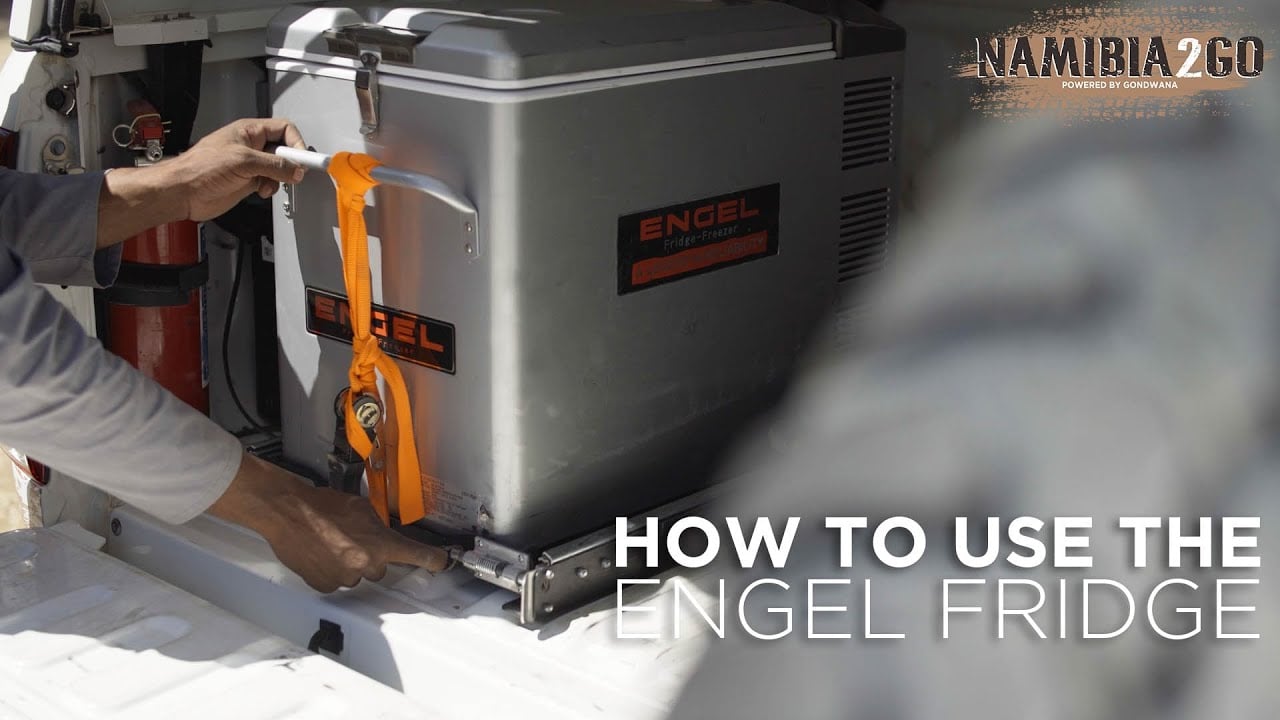
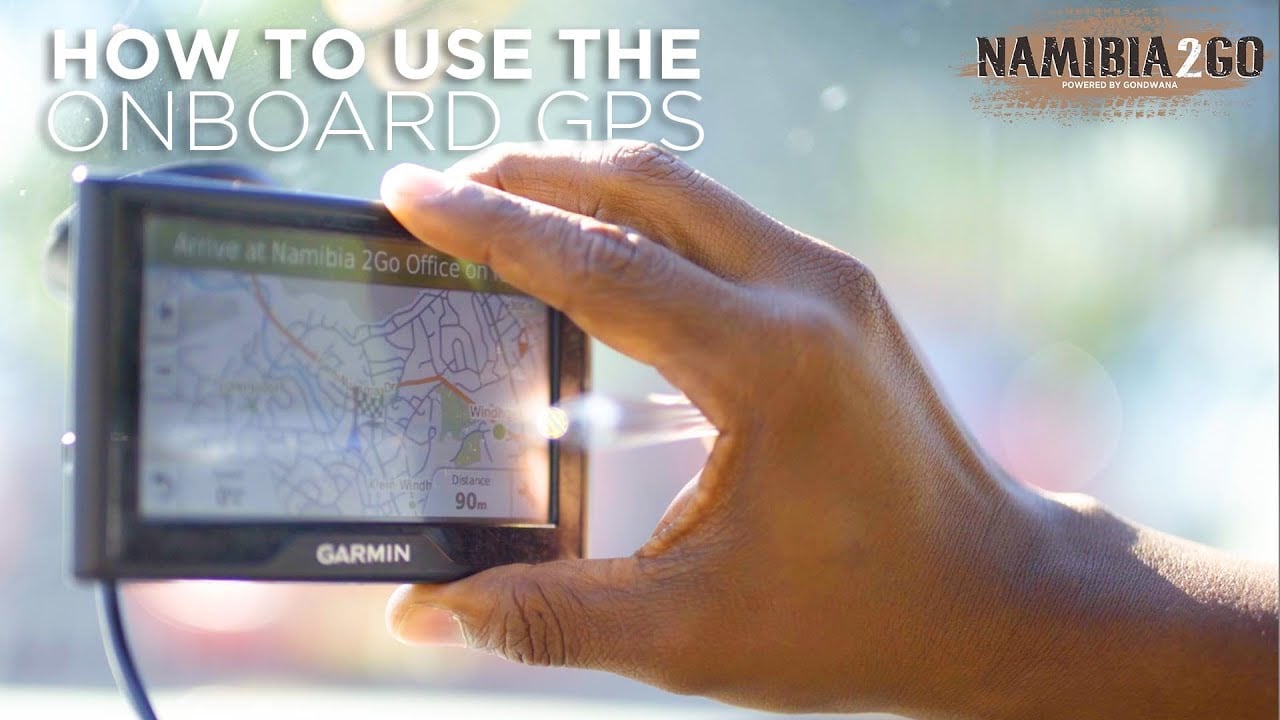
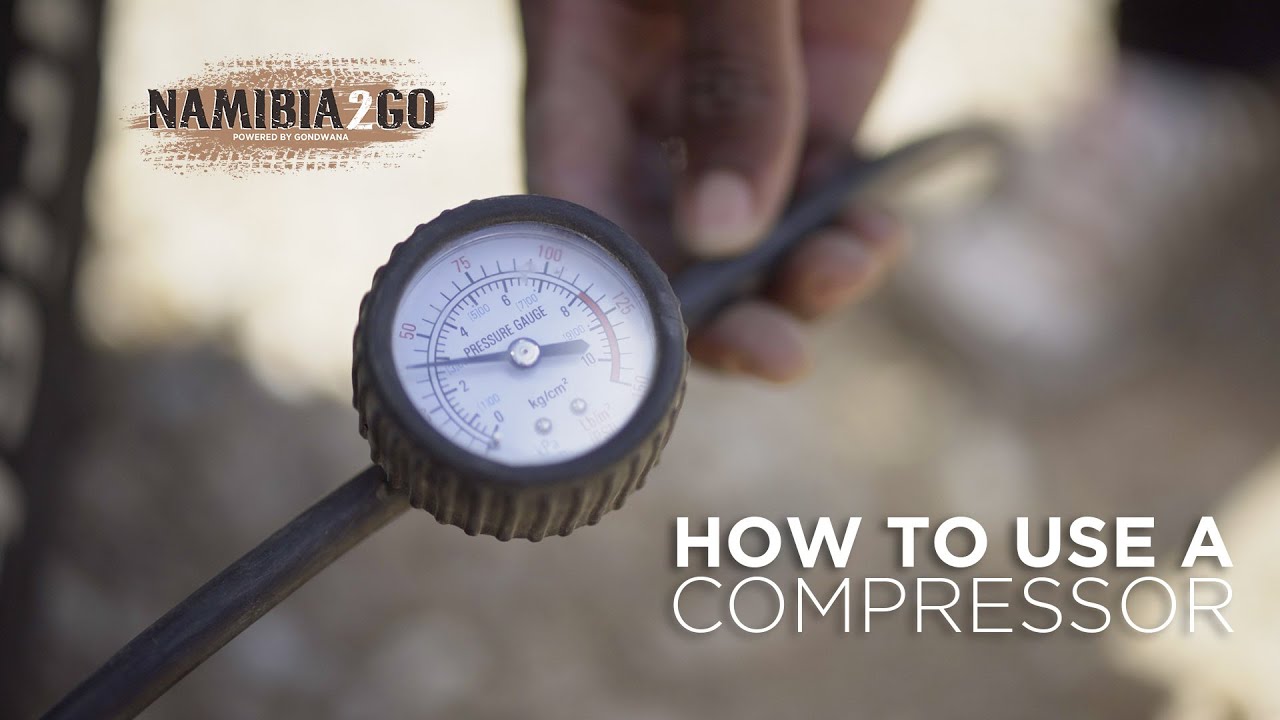
Ensure you can use your vehicle's facilities as optimally as possible with these quick video tutorials.
Accommodation all over Namibia
Gondwana Lodges
& Camps
More than 20 properties have been carefully constructed by Gondwana Collection Namibia over the last two decades, ranging from secret luxurious refuges to comfortable lodges to rustic camping offers. Built in close proximity to Namibia's natural wonders and managed sustainably.
Find out more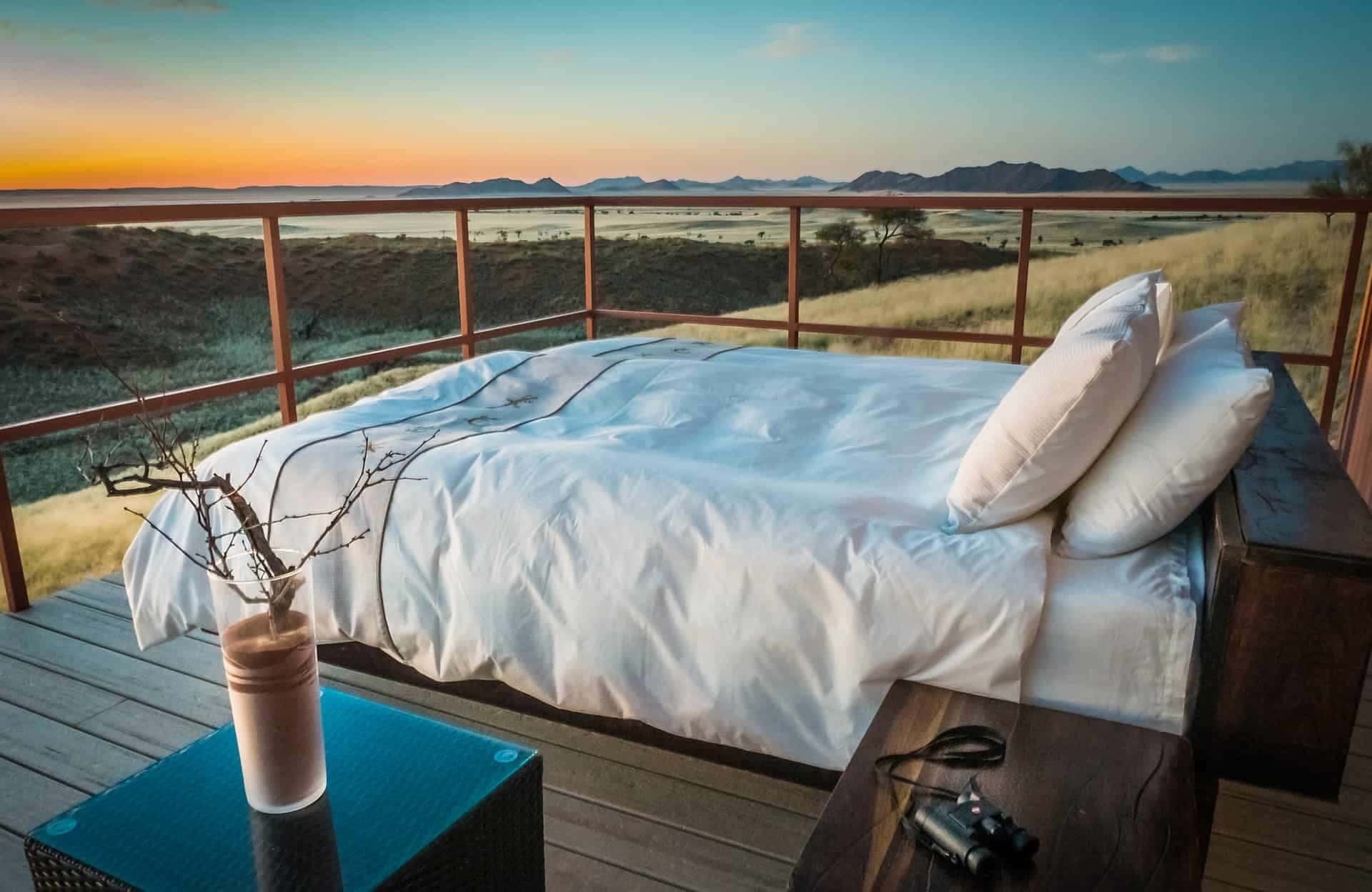
Important Information
Before You Travel
Namibia uses the Namibian Dollar (N$), linked 1:1 with the South African Rand (ZAR). Rand is legal tender in Namibia. Banks open 09:00-15:30 weekdays, 09:00-11:00 Saturdays. Most major credit cards accepted in urban areas (Visa & MasterCard). N$ is not accepted in South Africa exchange before leaving.
• Sun hat, comfortable casual clothes (layering is best), warm jersey
• Comfortable walking shoes & sandals
• Camera equipment, waterproof/dustproof bags
• Good quality sunglasses, high SPF sunscreen, lip salve
• Insect repellent, binoculars, water bottle, torch
• Personal medication with prescription copy, basic medical kit
• PASSPORT — valid for 90+ days after departure, 3 blank pages
General Info
Essential Knowledge
220 volt electricity. Mains sockets have three round-pin holes. US appliances may need a transformer. Rural areas run off generators/solar hairdryers may trip the system.
GSM 900 network covers most cities, towns, and major roads. Activate roaming, rent a local phone, or buy a local SIM card or Namibia2Go WiFi dongle.
Daily entrance fees apply at national parks for both day visitors and overnight guests. Payable at the park office your receipt will be checked on exit.
15% VAT applies to most items/services. Visitors can reclaim VAT on exported goods (not services). Minimum refundable amount: N$250. Original tax invoices required. Refunds at Windhoek Airport, Ariamsvlei, and Noordoewer border posts.
Stay Safe
Emergency Numbers
Police / All Emergencies
10111Cell: dial area code first
061 10111 (Windhoek)
Ambulance
081 707International SOS
EMED Rescue 24: 081 924
Cell Phone Emergency
112Connects to MTC call centre
Directed to appropriate service
Vehicle Breakdown
Call Your Rental Co.Gondwana Travel Centre
Office: (061) 427200
Travel With Us
Discover the Spectacular Secrets Namibia Holds

Gondwana Lodges
20+ properties from luxurious refuges to rustic camps, near Namibia's natural wonders.
Explore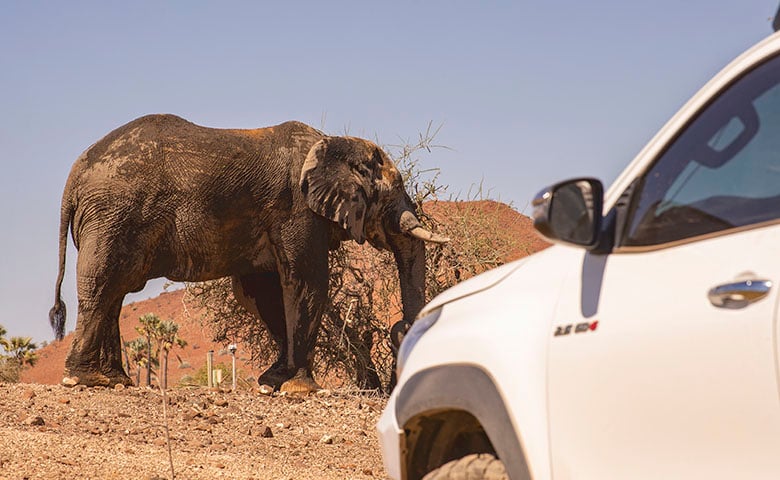
Boxed2Go Self-Drive Safaris
Exceptional safari packages including accommodation, vehicle, and route map guide.
Explore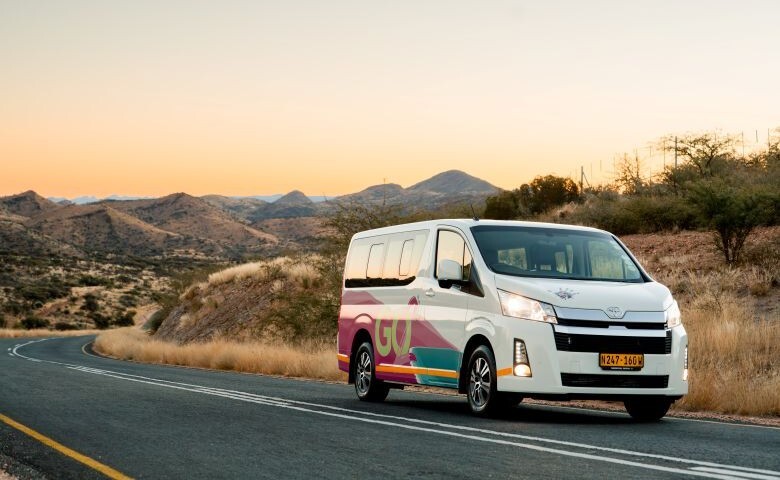
Gondwana Travel Centre
All-in-one hub for Namibia travel. Direct bookings to hotels, lodges, and more.
Explore%20web%20narrow-1.png?width=251&height=69)